Timeline:
05/22, 04/24
Tools:
Jump straight to:
Background
During my studies in Shenkar, one of our assignments was to design an interface for desktop in which the user customizes an object or a character.
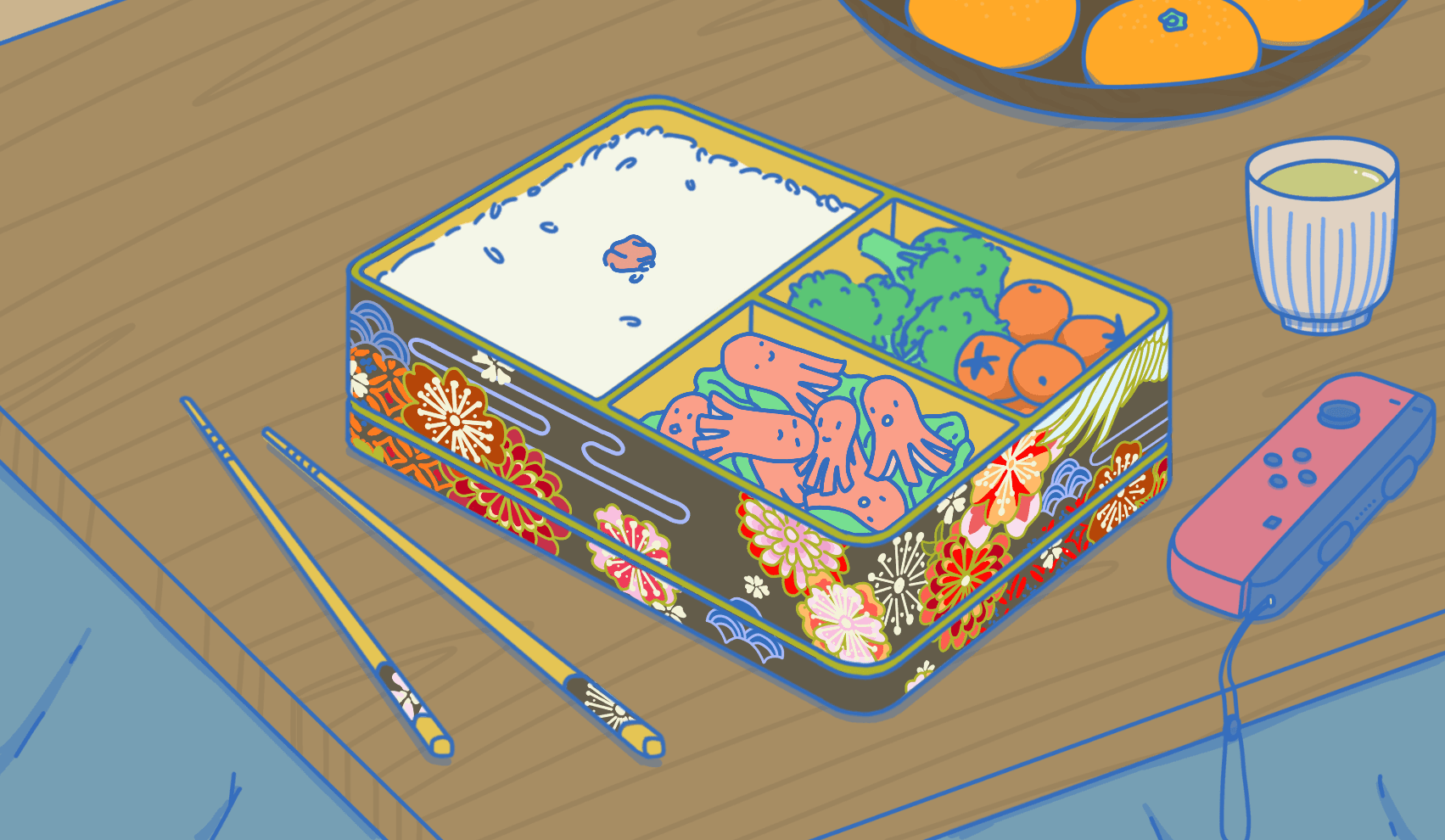
I decided to create a game that lets you customize a bento box.
Our Team & Roles


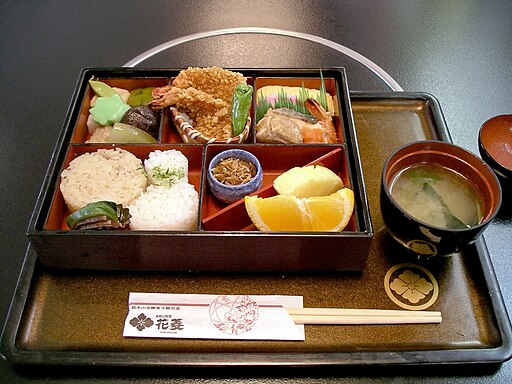
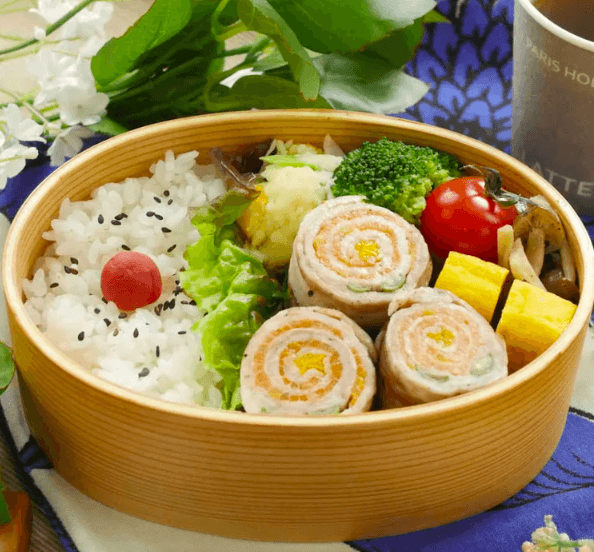
What is a bento box?
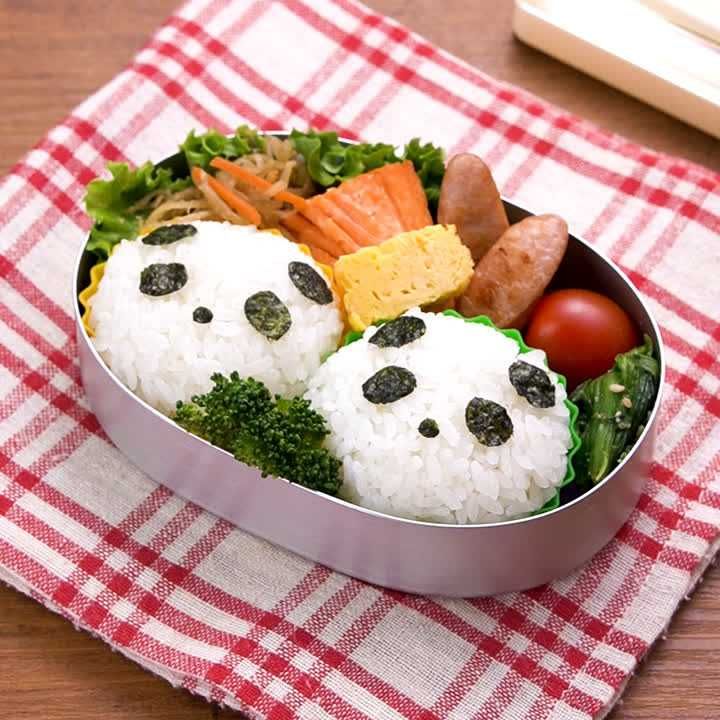
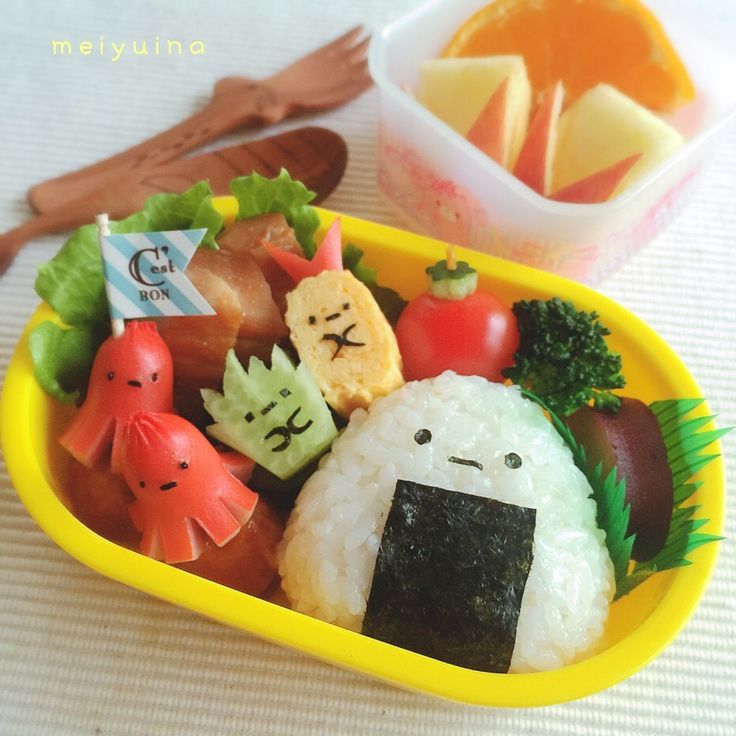
A Japanese boxed meal with several different foods, it's usually arranged in a visually pleasing way using separate compartments.
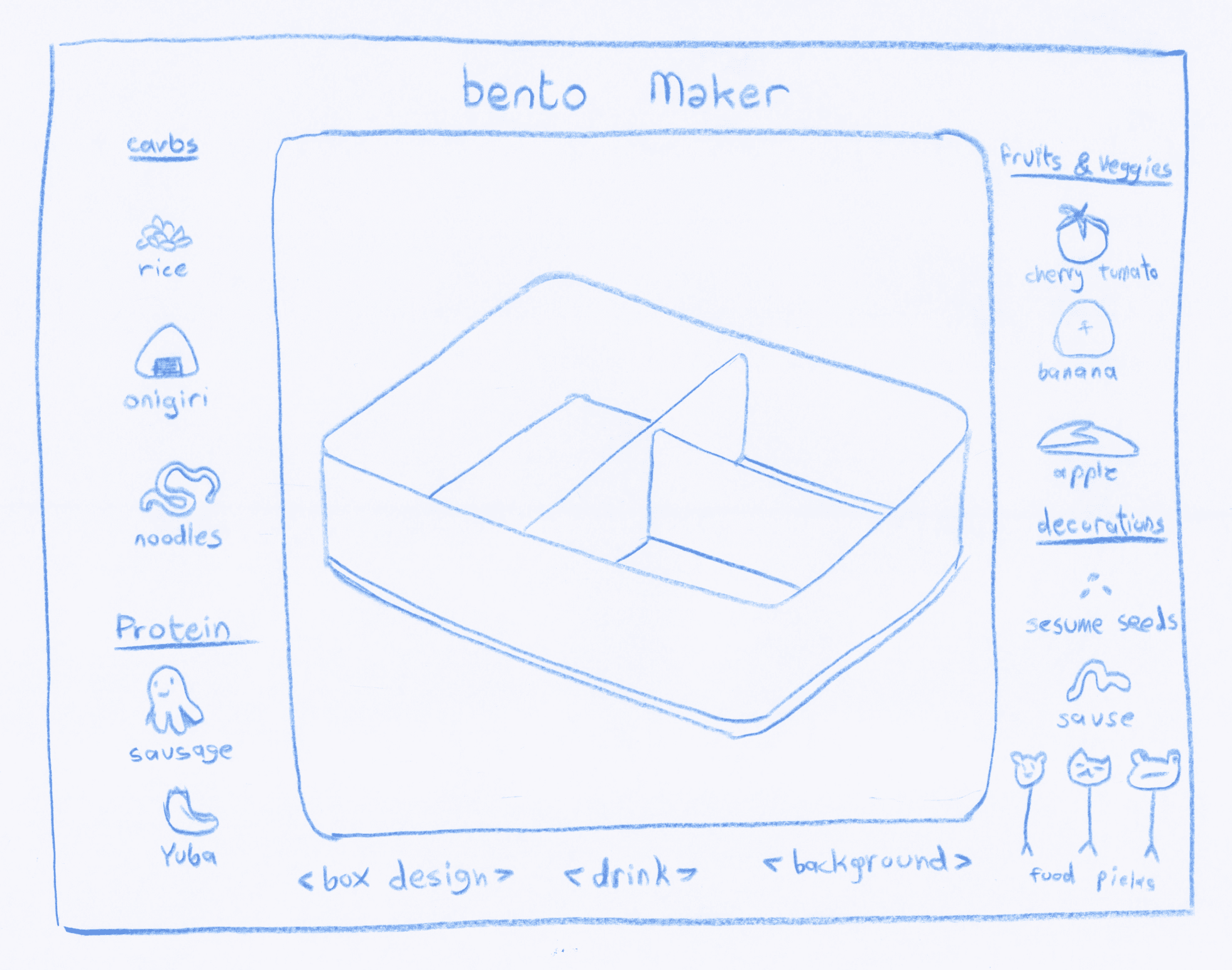
Wireframes
Alpha
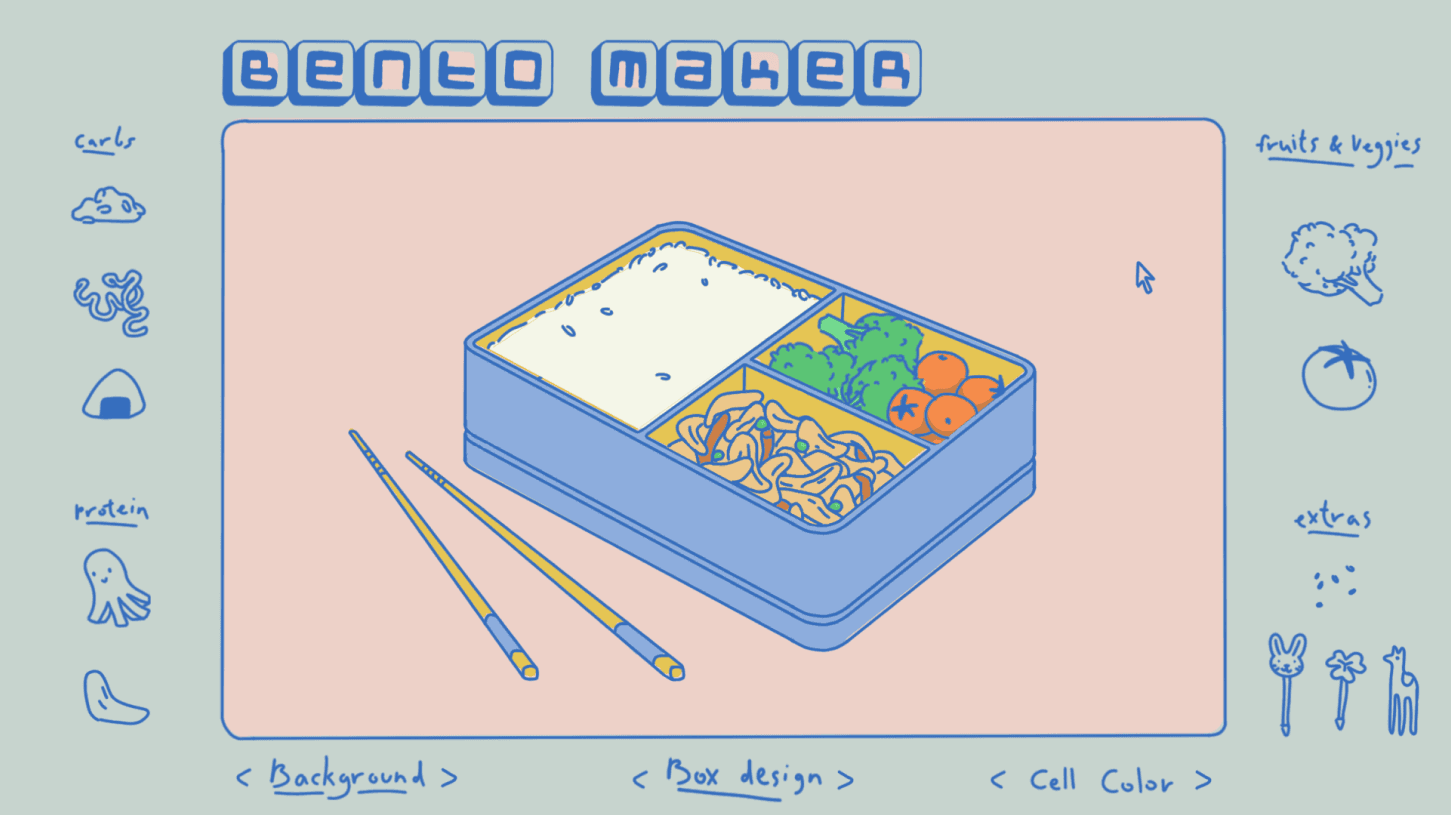
For the first version, our scope wasn't big, we didn't add explanations, animations, or sound at that point.
User test
We conducted a user test in class, I tried not to guide or give any clues.
User Tasks
To make a box with rice, broccoli, and sausage.
After the test I asked if there was any part of the experience that was uncomfortable or not clear.
Users reactions




Reflection on the user test
Overall there was excitement about the game, and the game is simple so everyone finished the task. Some issues repeated themselves so it was clear we need to fix them.
This wasn't a big user test but we did it early in the project, from what I've seen so far I think doing them early gives you an advantage.
We addressed most of the issues we found in the user test and saved the ones that required more development time for later. Two years after the course we decided to continue the project on our own and publish the game.
Games with similar gameplay
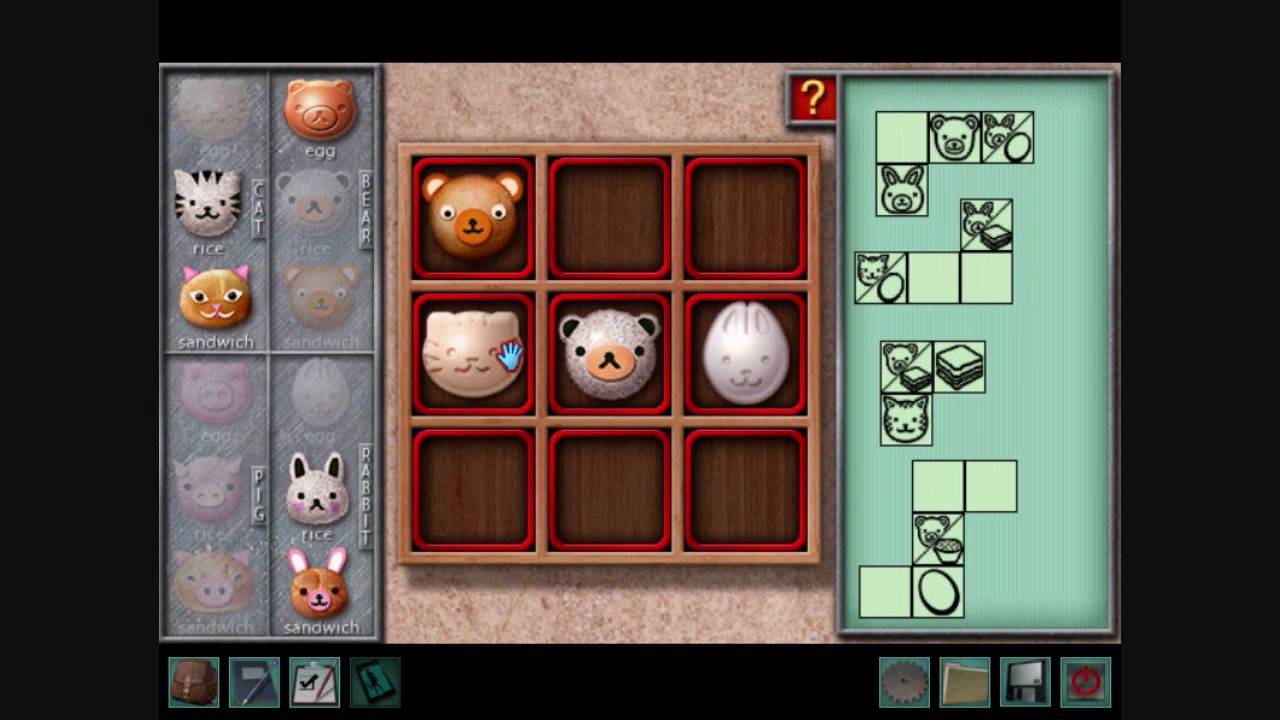
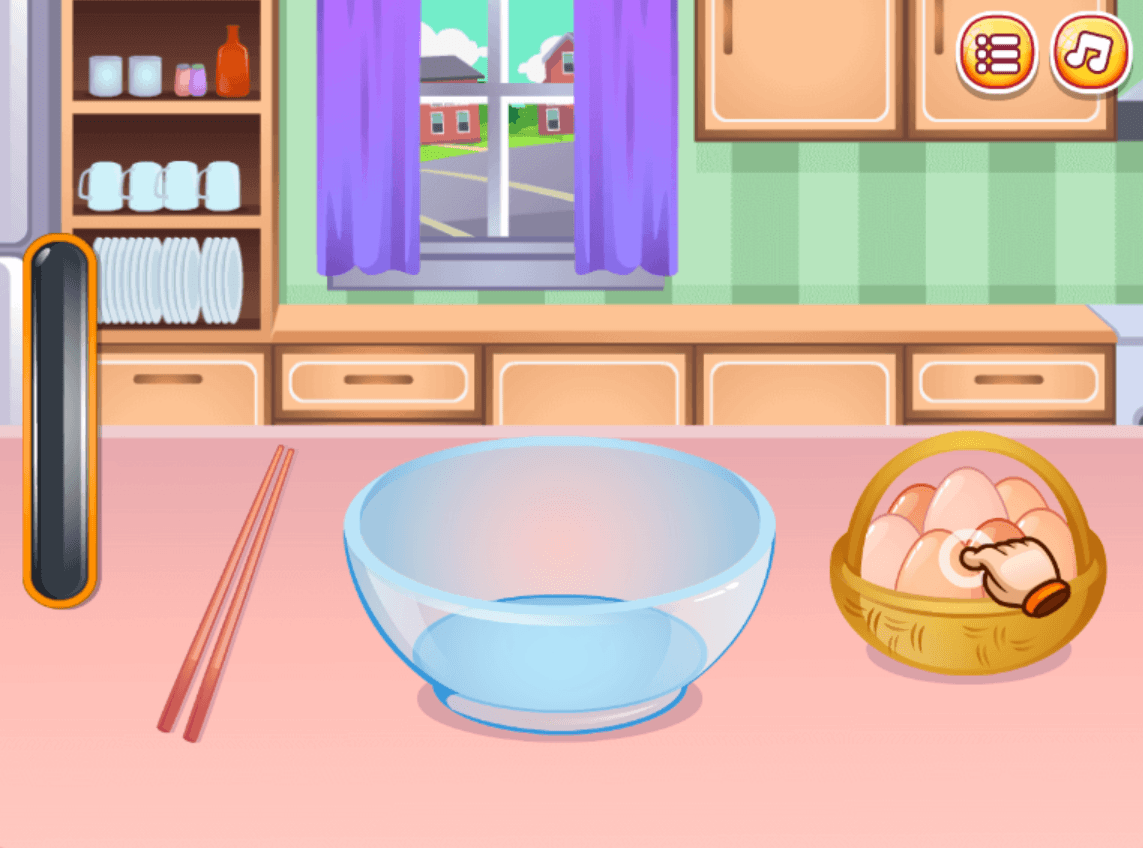
Considering the results of the user test, I wanted to check what design choices games in the same genre as mine usually make. I came to the conclusion that dress-up games have the most similar attributes.
These are the common denominators I found (in modern games):
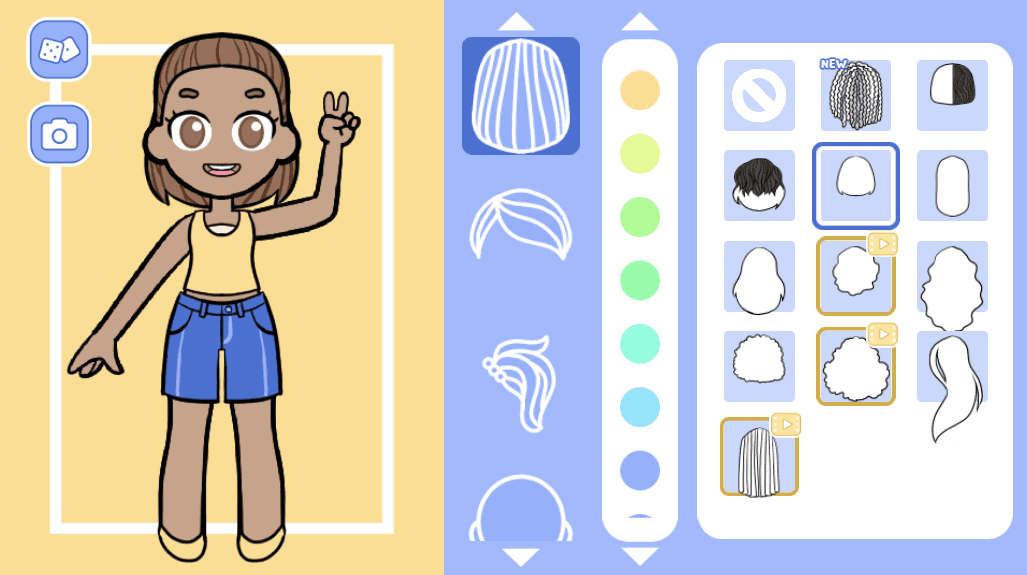
Kawaii Dress-Up - by ARF Games
Highly saturated, flashy colors.
A button for saving a picture or for sharing the design.
Sometimes there was an ending animation.
In games with a large variety of options, there was a folder for each item type.
Sometimes there was a randomize button.
Other bento games
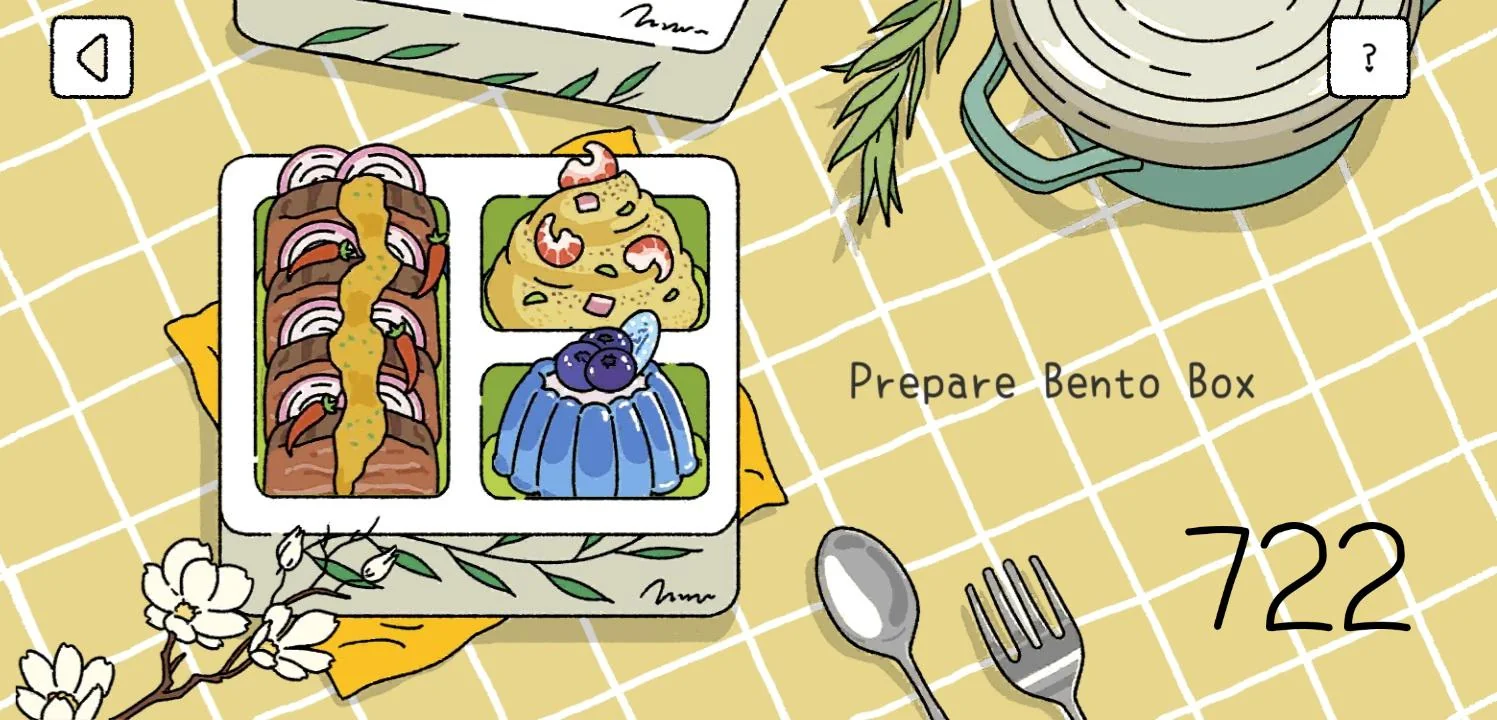
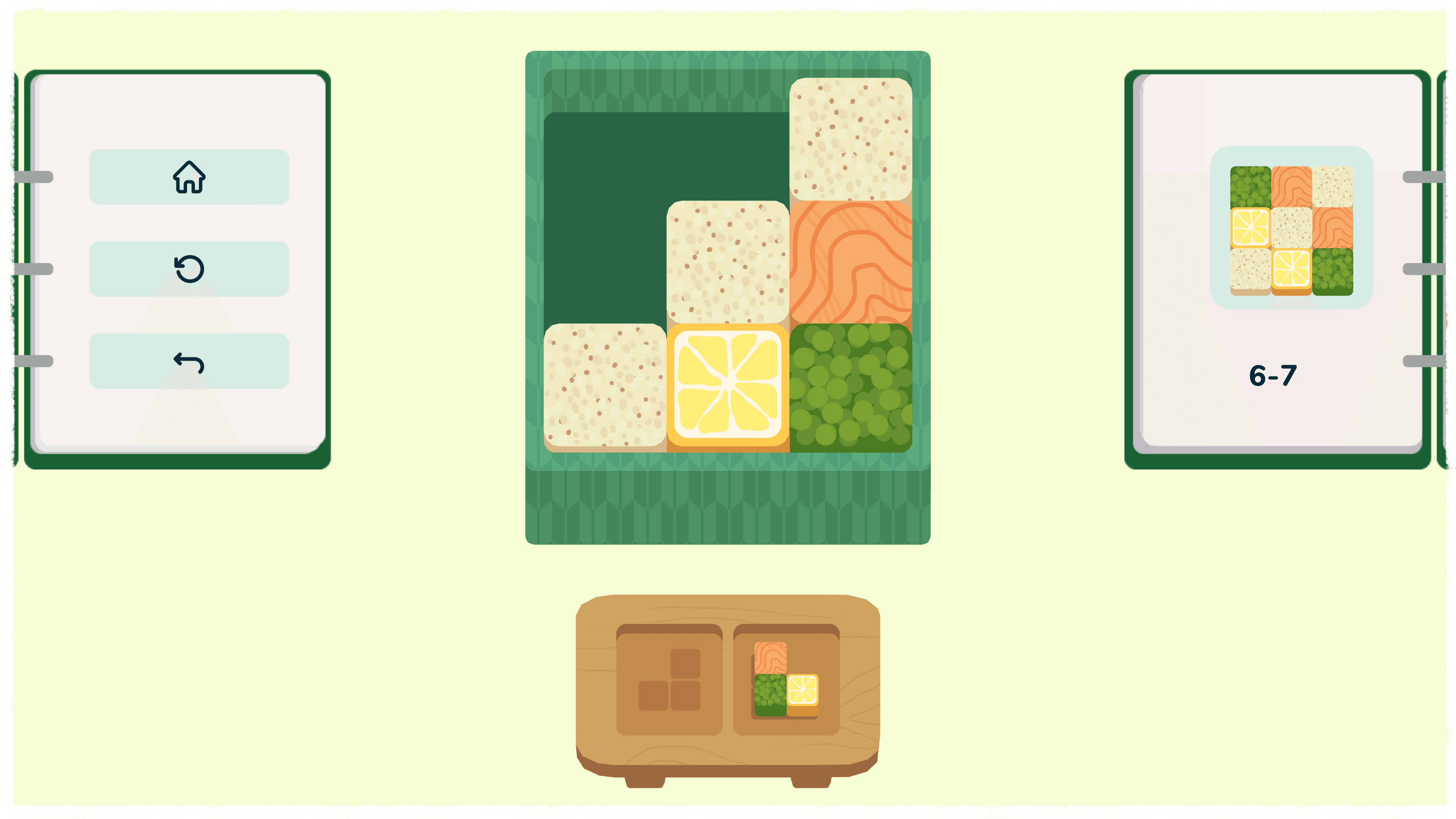
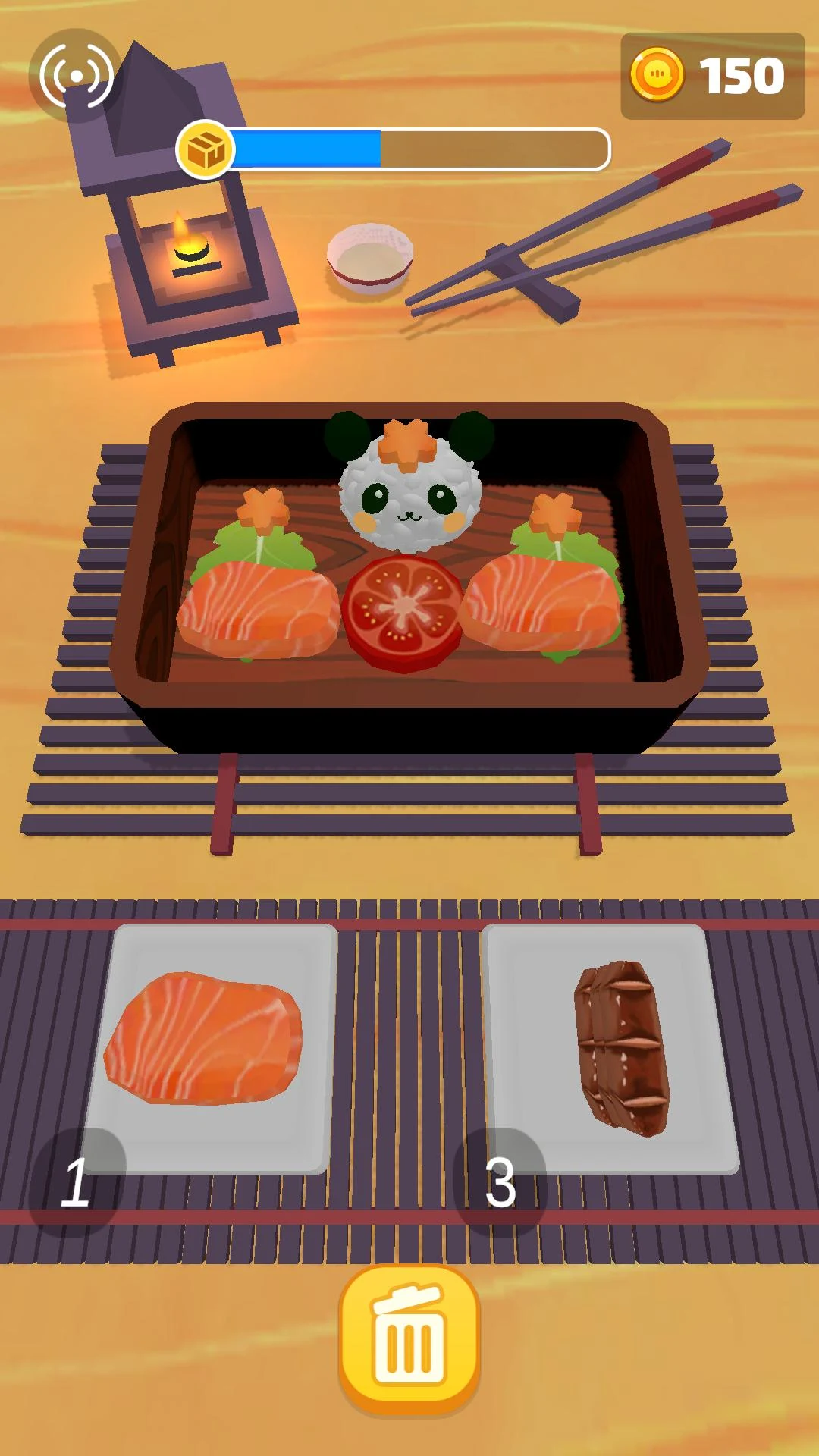
To make sure my game isn't too similar to other games, I also searched what other bento games exist. I found 5 games, which consisted of puzzle games, cooking games, and games that combine design with other gameplay elements.
I decided to keep the gameplay focused almost solely on design.
The result
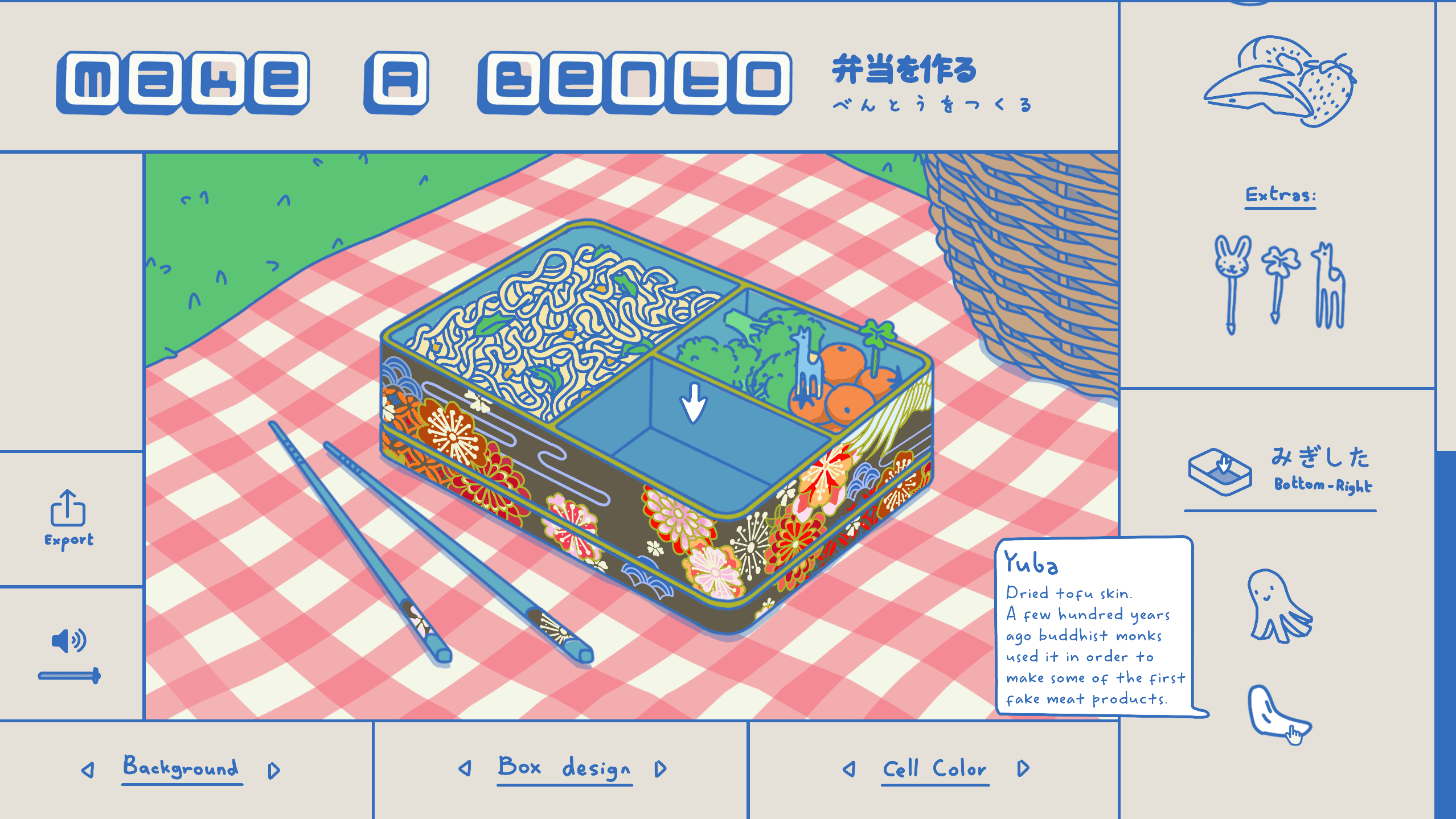
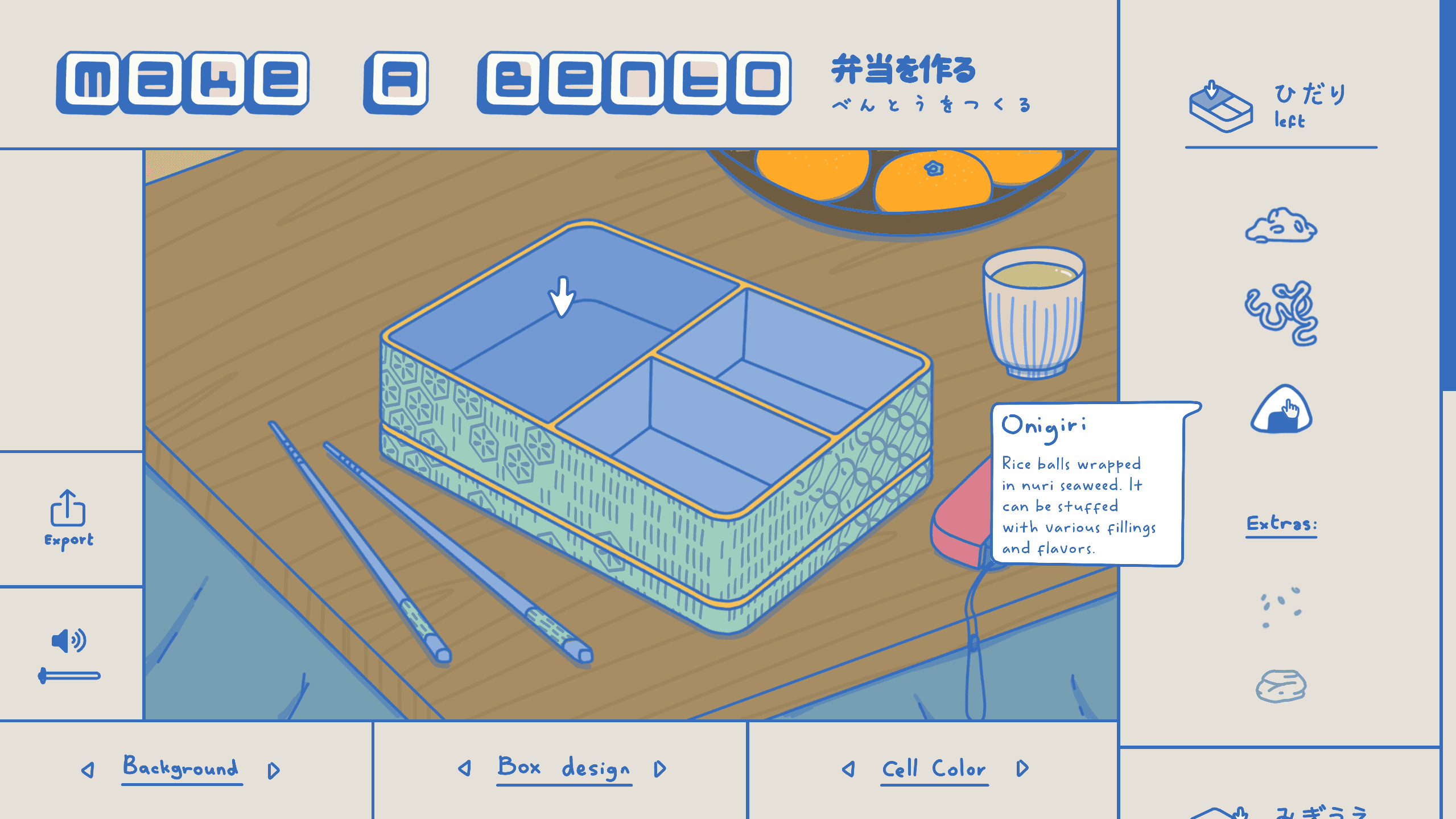
I took my research and user test into account and also thought about how to make the game more scalable.
This is the result of our work:
Audience Response
We posted the game on Reddit and to our surprise a reporter posted an article about it in a Japanese website called Automaton.
Soon later, the game started to gain traffic, and multiple other articles where posted about it. We were also excided to see people play it on YouTube and Twitch.

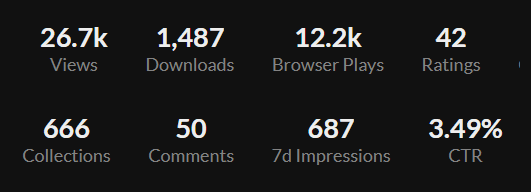
Analytics in Itch (01.26)
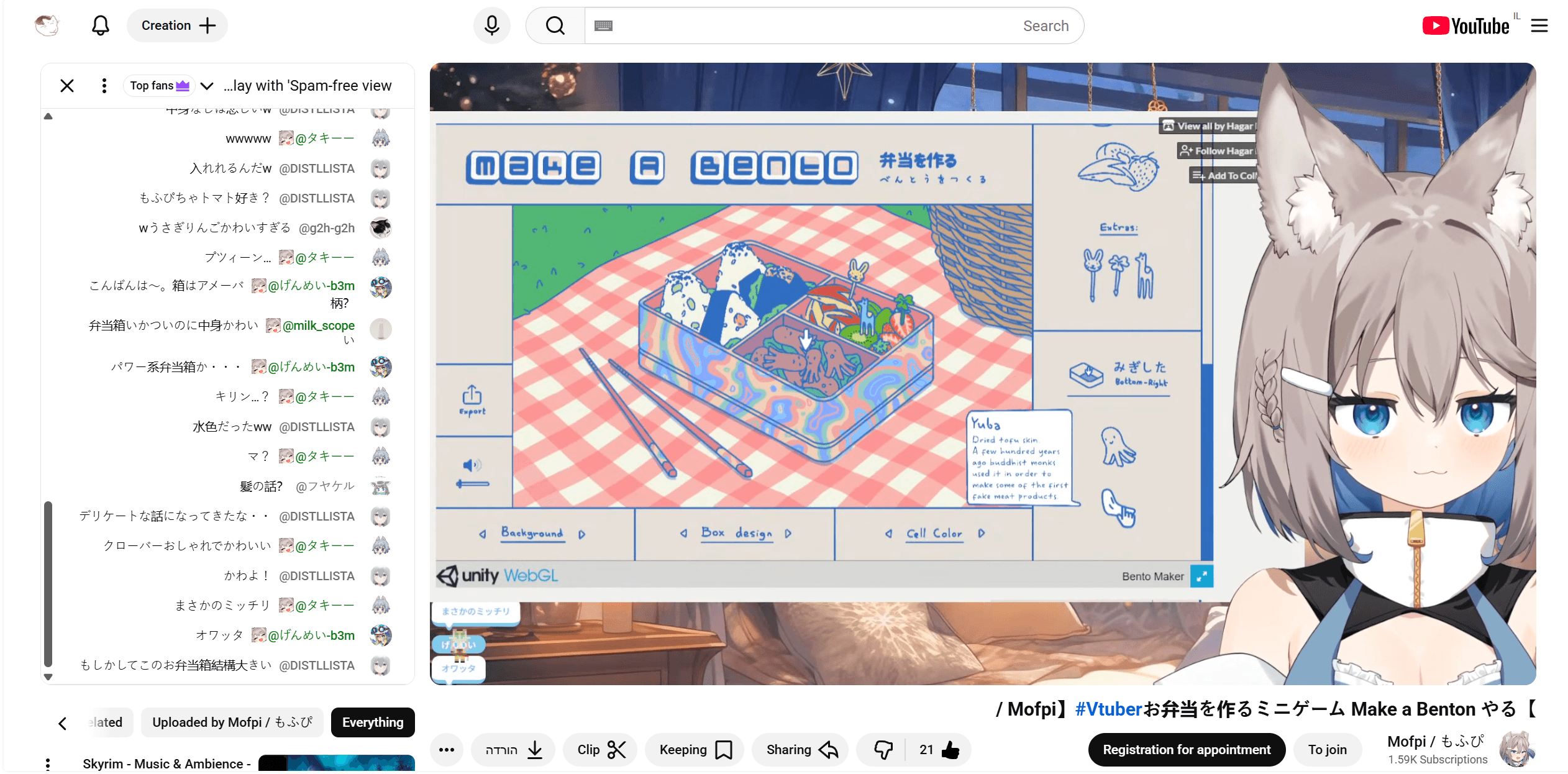
Steamer on YouTube
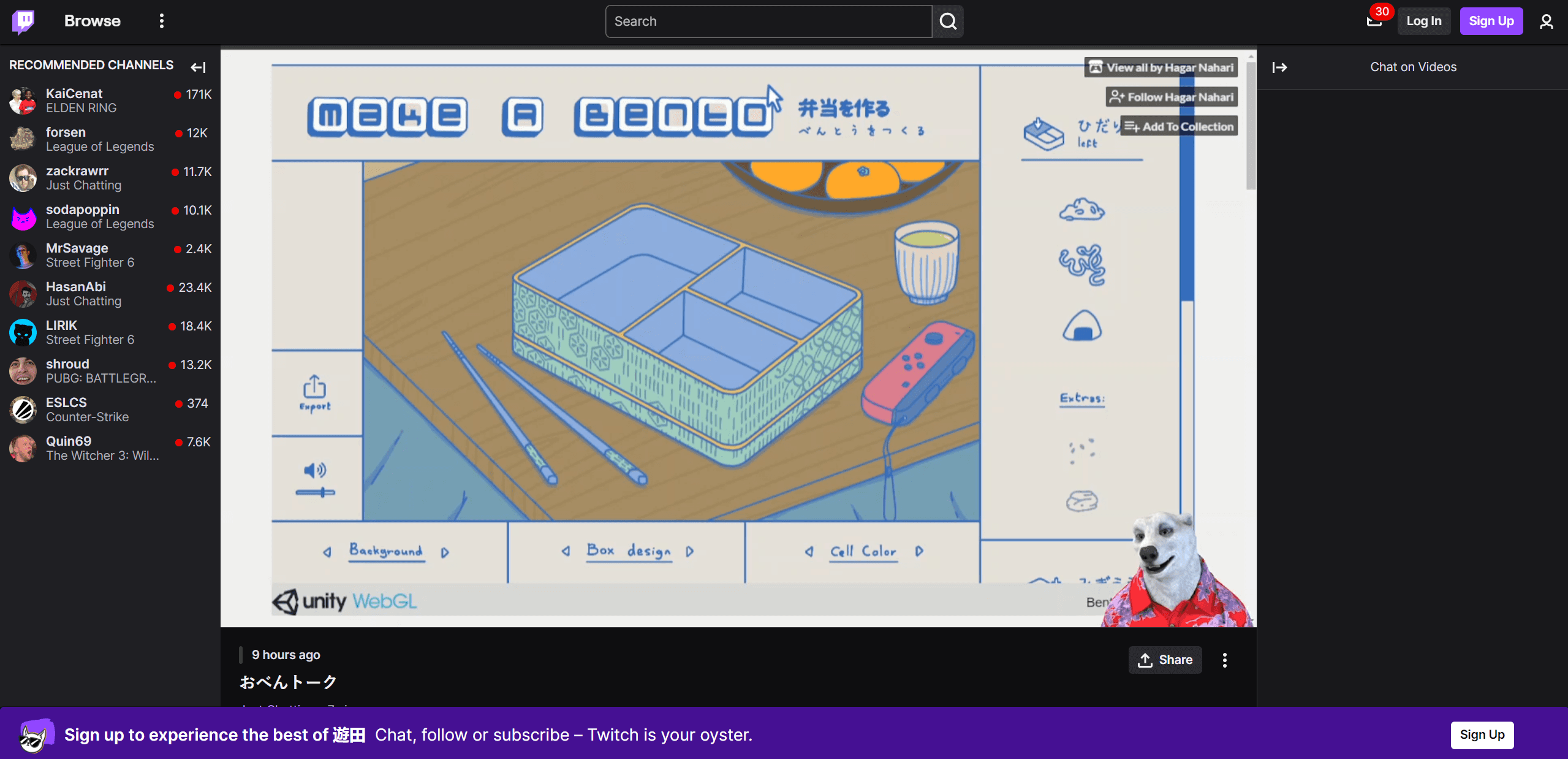
Steamer on Twitch
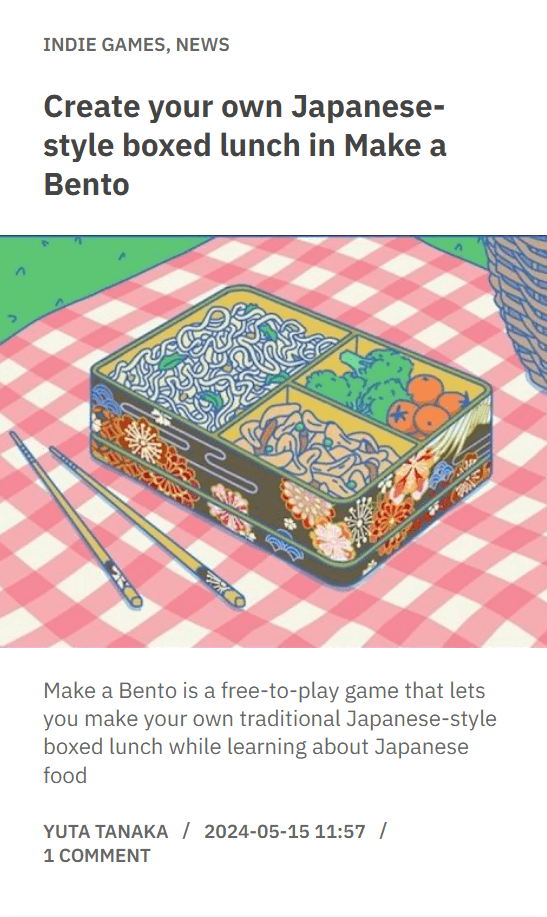
Article on Automaton
Why did it succeed?
These are my speculations:
#01 - A good user experience + some luck - We created an experience that's based on Japanese culture, users mentioned it feels calm and pleasant, sort of like a lo-fi video - two things that gained some popularity in recent years. Perhaps that's something people were looking for.
#02 - Maybe a part of its success is rooted in its disadvantage - In the Alpha version, the game didn't have a clear ending - you finish designing and then what?!
Now the game's "ending" is to save an image, and some people share it, which causes organic traffic.
What Didn’t Work
Some users didn't feel like the game was 'a game' - since it doesn't have many features other than designing and saving an image.
And for the Japanese audience, the Yuba (Dried tofu skin) struck them as something weird "Yuba? For lunch?", it might be not as common as I thought.
Reflection
It's been fun to work on this project and to learn by seeing people use and react to it. I still think the game needs more options or a better purpose. We saw on the analytics it is sometimes used in classes, perhaps making it even more educational can work.
One user suggested making a series of lunch box games from around the world, I think this can be a nice concept since it adds depth without changing what users liked.